Stars and planets as dark matter detectors
Undergraduate, master’s and PhD students, and postdocs.
Abstract
A wide range of astrophysical and cosmological observations indicate that most of the matter in the universe is dark, interacting very weakly. Many dark matter searches therefore aim to detect extremely rare interactions between dark matter particles and ordinary matter, or among dark matter particles themselves. The sensitivity of these experiments scales with detector size, running time, and interaction strength, pushing experiments toward larger and more complex designs.
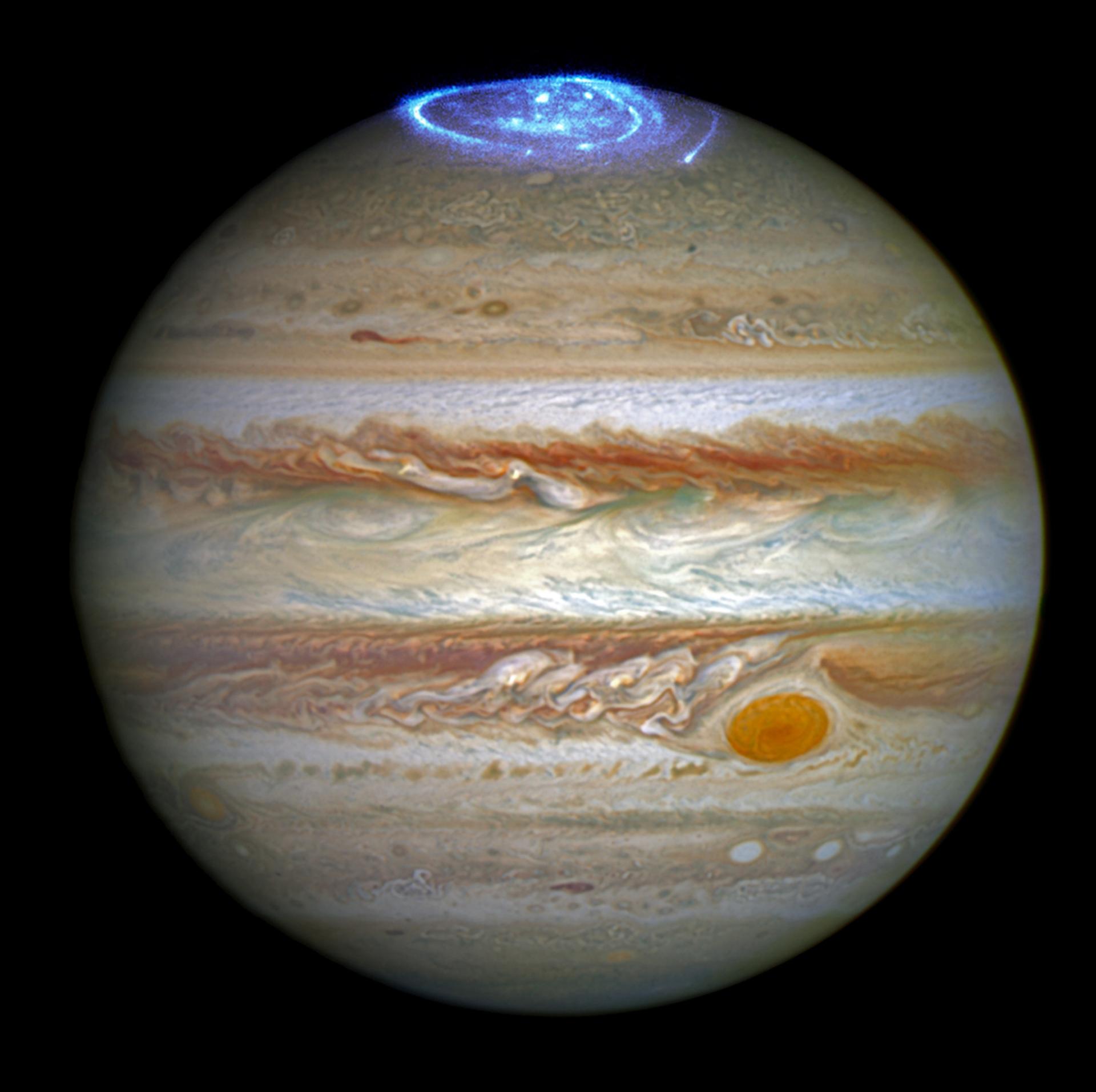
In this talk, I will describe a complementary approach: using astrophysical objects such as planets and stars as natural dark matter detectors. These systems provide enormous target masses and long integration times, and dark matter interactions can leave observable signatures in their structure, evolution, or emission. I will give an overview of the underlying ideas and discuss how such “astrophysical detectors” can probe dark matter.