How do you actually find “new physics” at the LHC
Abstract:
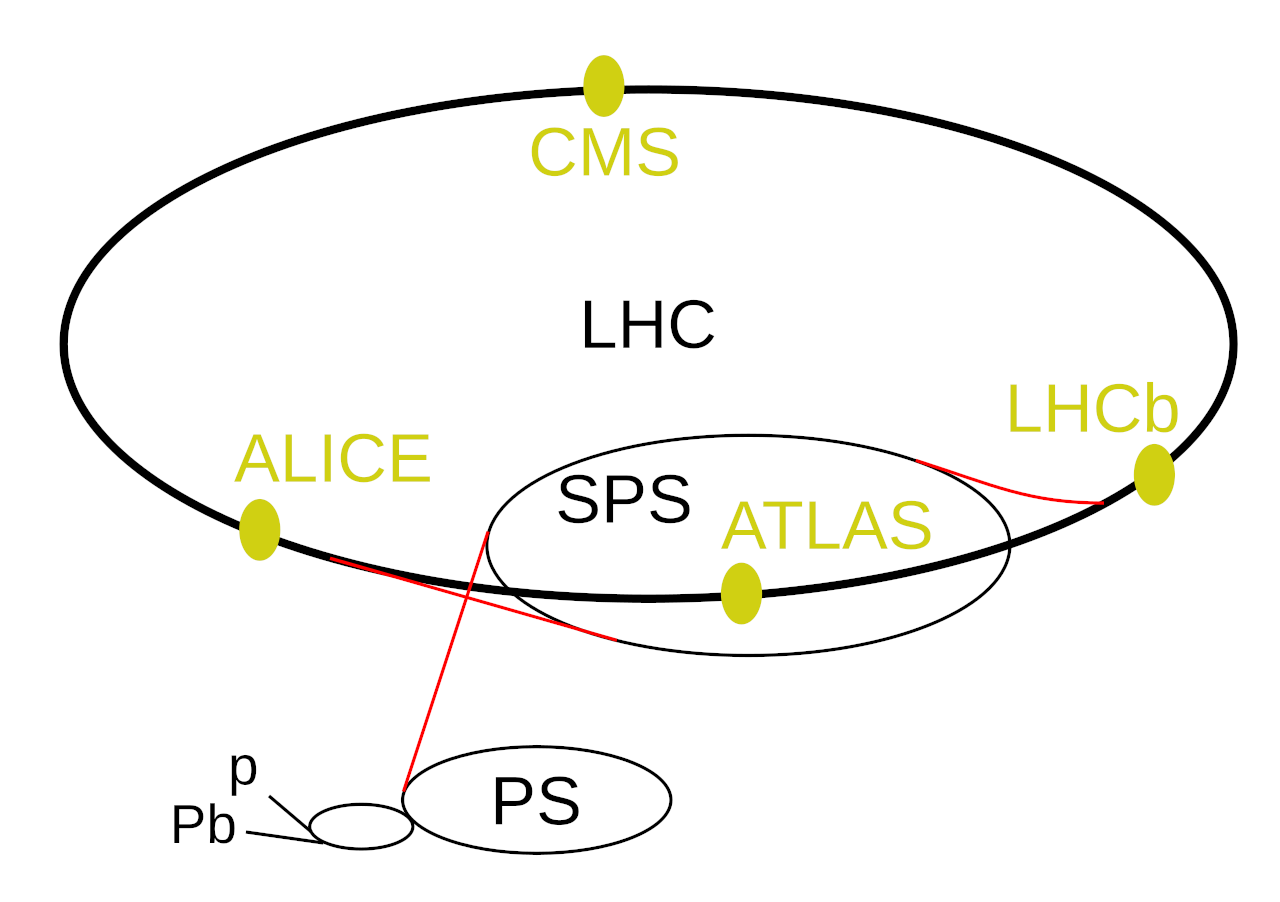
You may have heard in the news that physicists are searching for signs of new physics at the LHC. But what makes physics “new”, and how do you search for it? This talk will give an idea of how the LHC works, how the Standard Model is tested at the highest energies ever achieved in the laboratory, and how proton–proton collisions allow us to probe distances far smaller than the size of a proton.
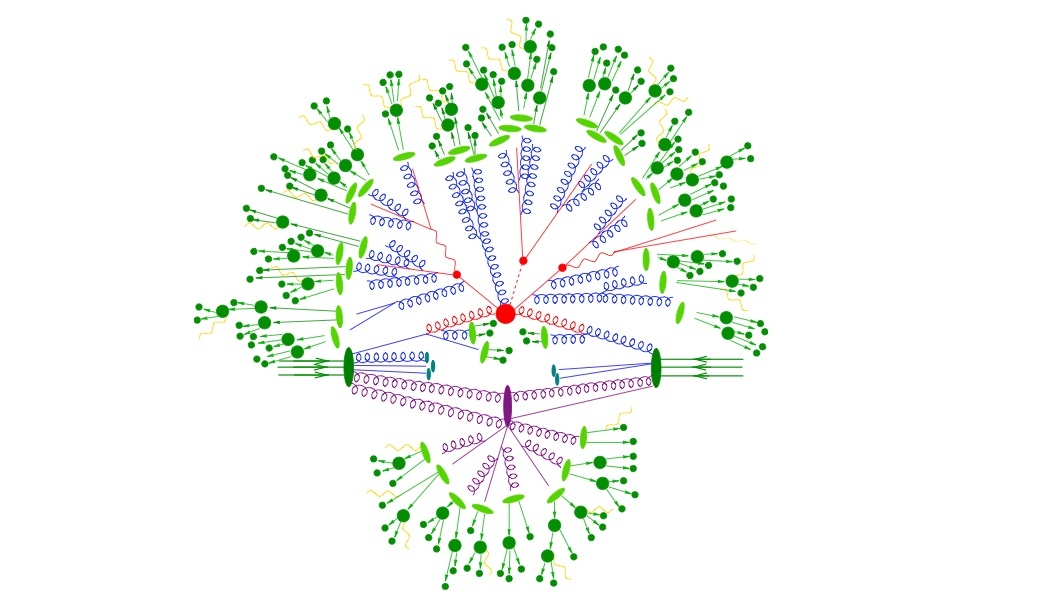
A key idea that makes the LHC possible is separation of scales. Just as you can understand how a pendulum swings without tracking the motion of every atom inside it, high-energy collisions can be separated from the complex low-energy structure of the proton. This factorisation allows precise theoretical predictions.
When the LHC was switched on, it was hoped that many new particles would be directly detected. Apart from the Higgs boson, no other new particles were found. However if some particles are too heavy to produce at the LHC, we may still be able to find signs of them by gathering extremely accurate data.
If new particles are only produced at very high energies, the separation of scales can potentially let us separate the Standard Model of physics from “new”, high-energy physics. This can simplify the process of discovering new physics.