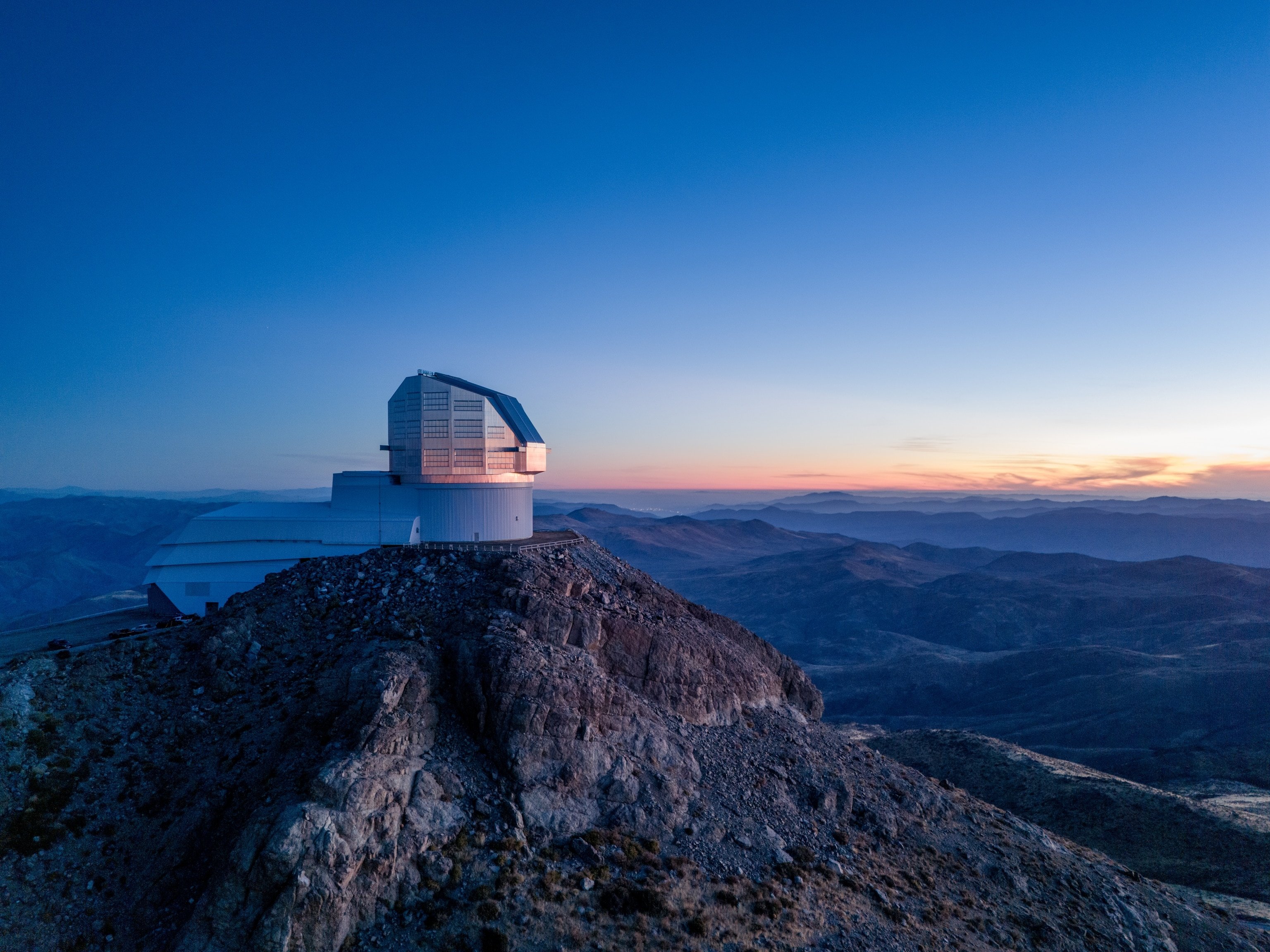
Hunting for strongly lensed supernovae with the Vera Rubin Observatory
Undergraduates, master’s and PhD students, postdocs, senior researchers, faculty and staff.
Abstract
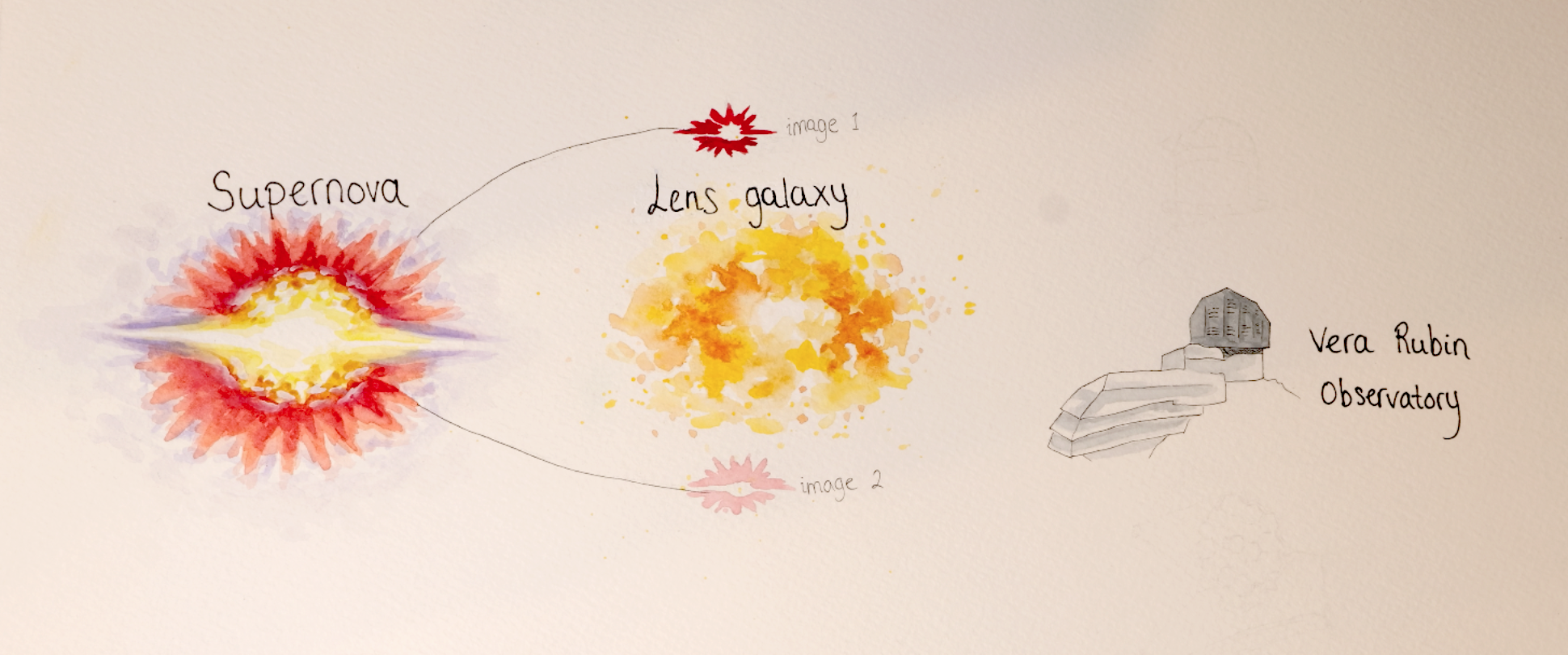
When a supernova explodes behind a massive galaxy, its light can be gravitationally lensed into multiple images. Such a strongly lensed supernova is a rare and powerful event that can magnify distant stellar explosions, map out dark matter in galaxies, and even measure how fast the universe expands. While only a handful of lensed supernovae have been discovered to date, the Legacy Survey of Space and Time (LSST) at the Vera Rubin Observatory has promised to discover orders of magnitude more. And after years of anticipation, LSST has just begun full survey operations! Over the next decade, it will scan the entire southern sky every few nights, generating petabytes of data and catching anything that moves, flares, or explodes. Somewhere in all that data, there should be lensed supernovae… but can we find them? In this ScientiFika talk, I will take you along with the Rubin strong lensing team in our hunt for the first strongly lensed supernovae in LSST — including unexpected snowstorms, help from the Euclid telescope, and machine learning troubles.
Alongside the talk
Select an image to view the original.