How to split the electron
16:00–17:00 · Stockholm time
Undergraduate, master’s and PhD students, and postdocs.
Abstract
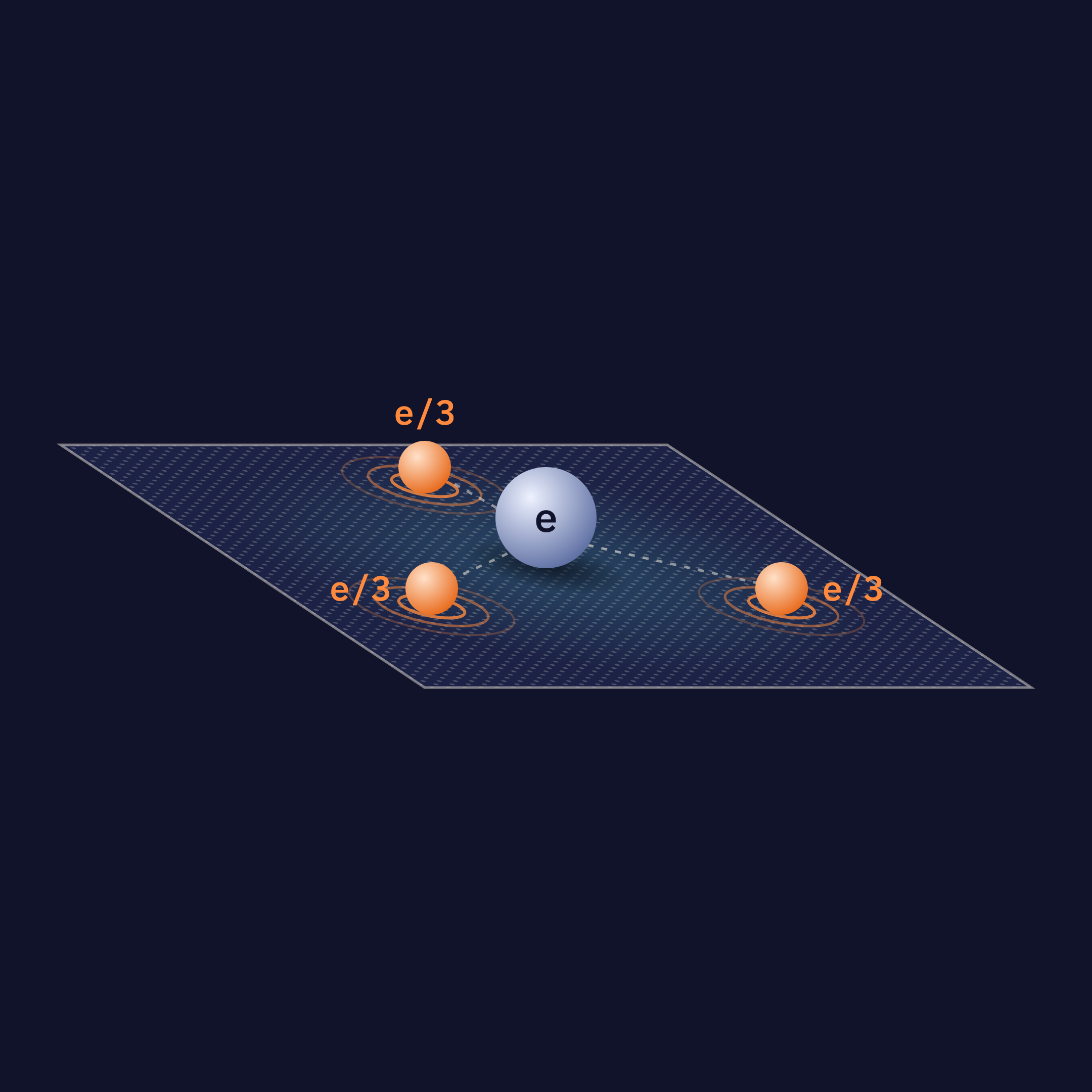
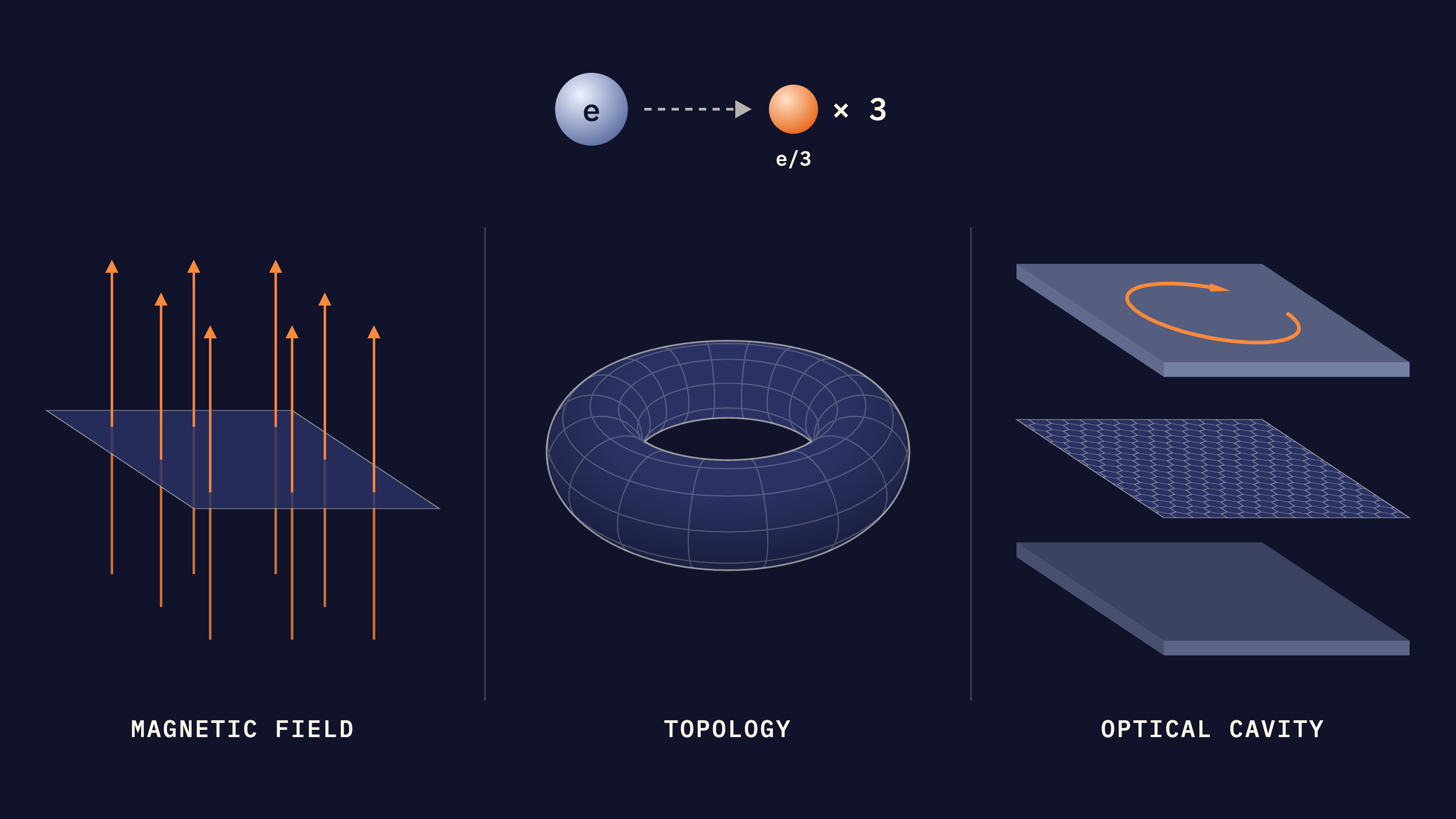
Electrons are elementary particles and therefore indivisible. Common sense tells us that charges in electron systems should come in whole multiples of the elementary charge, e. And yet, a collection of electrons confined to a 2D sheet may conspire to split charge into e/3, e/5, and other fractions. This is the fractional quantum Hall effect, where a strong magnetic field and Coulomb interactions produce an exotic many-body state. In this talk I will explain how this phenomenon works. I will then show that the magnetic field is not essential: in some materials, the topology of the electronic bands, or even the vacuum fluctuations of light, can play its role. Finally, I will give a glimpse into how non-Abelian states—potential building blocks for fault-tolerant quantum computers—may emerge in these systems.
Alongside the talk
Select an image to view the original.